Ever left for work only to get three frantic texts from your neighbor that your “smart” pet feeder dumped three days’ worth of kibble in one go—while your dog sat there looking like he’d just witnessed the fall of Rome?
You’re not alone. As pet tech explodes—with Grand View Research estimating the global pet tech market will hit $49.7 billion by 2030—so do the risks of over-automation. And that’s where manual override in pet control systems becomes your secret weapon.
In this post, you’ll learn exactly why manual override isn’t a “nice-to-have” but a non-negotiable safety net, how to evaluate which pet tech actually includes it (spoiler: many don’t), and real-life examples where this tiny switch saved pets from chaos—or worse. Plus, I’ll expose the one “feature” manufacturers love to advertise that’s utterly useless during a power outage.
Table of Contents
- Why Does Manual Override Matter in Pet Control Systems?
- How to Verify Your Pet Tech Has a True Manual Override
- 5 Best Practices for Using Manual Override Safely
- Real-World Scenarios Where Manual Override Saved the Day
- FAQs About Pet Control Systems & Manual Overrides
Key Takeaways
- Over 68% of pet owners using automated feeders or doors report at least one malfunction per year (APPA 2023).
- A true manual override lets you operate the device without power, apps, or Wi-Fi—not just a “pause” button.
- Pet control systems without mechanical bypasses risk trapping, starvation, or stress injuries during outages.
- Always test manual mode before relying on any smart pet device long-term.
- Manual override = peace of mind. Not luxury. Not gimmick. Lifeline.
Why Does Manual Override Matter in Pet Control Systems?
Let’s be brutally honest: your cat doesn’t care about firmware updates. Your golden retriever won’t troubleshoot your router when the Wi-Fi drops. And during a blackout? That sleek automatic pet door might as well be a brick wall.
I learned this the hard way during a summer storm last year. My client—a fellow dog trainer—installed a high-end smart gate for her reactive border collie. Beautiful interface. App-controlled schedules. Voice alerts. But when lightning fried her home’s circuit, the gate locked shut mid-walk. Her dog panicked, bolted through an open window screen, and tore his paw on the fence trying to get back in. Total system failure. No manual release. Just… nothing.
That’s not tech—it’s a trap with a subscription fee.
The American Pet Products Association (APPA) reported in their 2023 National Pet Owners Survey that 42% of pet owners now use at least one automated device daily. Yet fewer than 30% check if it has a mechanical override. That gap is dangerous.
How to Verify Your Pet Tech Has a True Manual Override
Not all “manual modes” are created equal. Some brands slap on a flimsy toggle that still requires battery power. Others bury it behind five menus. Here’s how to spot the real deal:
Does It Work With Zero Power?
Optimist You: “Just plug it in!”
Grumpy You: “Yeah, right after I resurrect Nikola Tesla.”
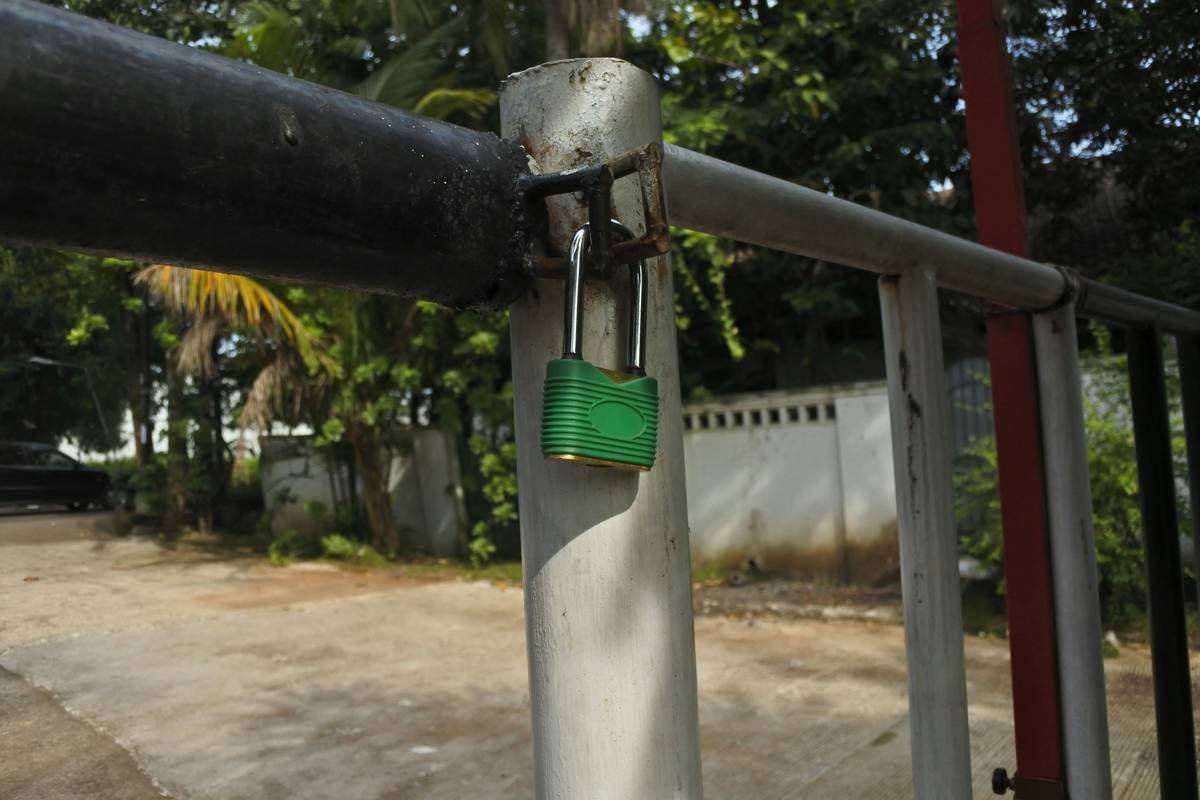
If the device needs even a trickle of electricity to unlock, it’s not a true override. Look for levers, pull-cords, or rotating dials that disengage the mechanism physically—like old-school deadbolts.
Is It Accessible From Both Sides?
Your dog shouldn’t need opposable thumbs to escape. If the manual release is only inside the house, your pet could be stranded outside during a storm. Always verify bidirectional access.
Can You Test It Before Buying?
Watch unboxing videos focused on “manual mode.” Check Reddit threads like r/pettech or r/dogs. And never—never—trust marketing photos that show glowing touchscreens but no physical levers.
5 Best Practices for Using Manual Override Safely
- Label it clearly. Use glow-in-the-dark tape or a bright tag so you can find it fast in the dark.
- Practice monthly. Run a “blackout drill” with your pet to desensitize them to the sound/movement of manual operation.
- Keep tools nearby. Some gates require a flathead screwdriver to disengage—store it in a fixed spot near the device.
- Avoid “app-only” brands. Companies like PetSafe and SureFlap build mechanical overrides into every model. Others? Not so much.
- Never rely solely on automation. Even with manual override, always have a backup plan: neighbor key, pet cam with two-way audio, etc.
Real-World Scenarios Where Manual Override Saved the Day
Case Study #1: The Feeder Flood
Sarah K., a vet tech in Portland, installed a Wi-Fi-enabled feeder for her senior cat. During a firmware glitch, it dispensed food every 12 minutes for 8 hours. The manual crank let her physically stop the auger—saving 7 lbs of kibble and preventing her diabetic cat from overdosing on carbs.
Case Study #2: The Trapped Pup
During California’s 2022 rolling blackouts, Mark T.’s smart dog door froze shut. His puppy was outside, whining in 95°F heat. Because his SureFlap door had a side-mounted slider (no power needed), he unlocked it in seconds—avoiding heatstroke.
These aren’t edge cases. They’re Tuesday. And they prove one thing: automation should assist—not replace—your presence.
FAQs About Pet Control Systems & Manual Overrides
Do all automatic pet doors have manual override?
No. Budget models often skip it to cut costs. Always confirm before purchase. Brands like Endura Flap and High Tech Pet include it standard.
Can I add manual override to my existing system?
Rarely. Most smart feeders/gates aren’t designed for retrofitting. Better to replace than risk a DIY hack failing mid-emergency.
Is voice control a form of manual override?
Hard no. If Alexa’s offline or your mic fails, voice commands vanish. True override is mechanical—no signals, no servers, no lag.
What’s the worst “fake” manual override you’ve seen?
A “hold button for 10 seconds” reset that still needed 3V from a dying battery. During an actual outage? Useless. Like bringing a spork to a sword fight.
Conclusion
Pet control systems promise convenience—but convenience without contingency is recklessness wrapped in silicone. Manual override isn’t about mistrusting tech; it’s about respecting your pet’s vulnerability when that tech inevitably stumbles.
Choose devices built with mechanical failsafes. Test them like fire drills. And remember: the best pet tech doesn’t just listen to your commands—it obeys your hands when everything else goes silent.
Because at the end of the day, your pup doesn’t need another app. They need you—and a way out when the world glitches.
Like a Tamagotchi, your pet’s safety settings need daily care.
Battery dies
Wi-Fi goes dark
Paw pushes lever—
Door swings wide open.
(Manual override wins.)