Ever pressed “treat” on your handheld pet remote… only to watch your dog stare at the wall like you just spoke Klingon? You’re not broken—and neither is your pup. But that slick little gadget might be working against you if you don’t understand its manual override quirks.
In this guide, we’ll demystify what really happens when tech meets tail wags. You’ll learn: why “set-and-forget” training fails 73% of the time (University of Lincoln, 2022), how to use manual override like a pro trainer, and which handheld pet remotes actually respect canine cognition—not just look cute on Instagram.
Table of Contents
- The Hidden Flaw in Automated Pet Toys
- How to Use a Handheld Pet Remote with Manual Override Like a Pro
- 5 Best Practices for Timing Rewards and Avoiding Confusion
- Real Case Study: How Baxter Went from Chaos to Clicker-Compliant
- Handheld Pet Remote FAQs
Key Takeaways
- Automatic treat dispensers without manual override delay learning by up to 40% (Journal of Veterinary Behavior, 2021).
- Manual override lets you reward behavior, not just proximity—critical for advanced obedience.
- Poor timing = accidental reinforcement of unwanted habits (e.g., jumping, barking).
- The best handheld pet remotes combine 300ms response time, tactile buttons, and 100ft range.
- Always pair remote use with verbal cues to prevent “ghost device” dependency.
The Hidden Flaw in Automated Pet Toys
Let’s be real: that auto-treat ball looked genius in the unboxing video. But three weeks later, your golden retriever treats it like ambient furniture—unless it randomly spits out kibble during thunderstorms. Why?
Because dogs learn through contingency: “When I do X, Y happens.” Automated toys break that link. If treats arrive on a timer or motion sensor alone, your dog can’t connect their action to the reward. Worse—they may associate the treat with something irrelevant (like the fridge humming) or even scary (a loud clap).

I learned this the hard way. My rescue terrier, Miso, started barking frantically every time the mail truck passed—not because he hated mail, but because his “smart” feeder once dispensed a treat mid-bark during a delivery. Oops. That’s operant conditioning gone rogue.
How to Use a Handheld Pet Remote with Manual Override Like a Pro
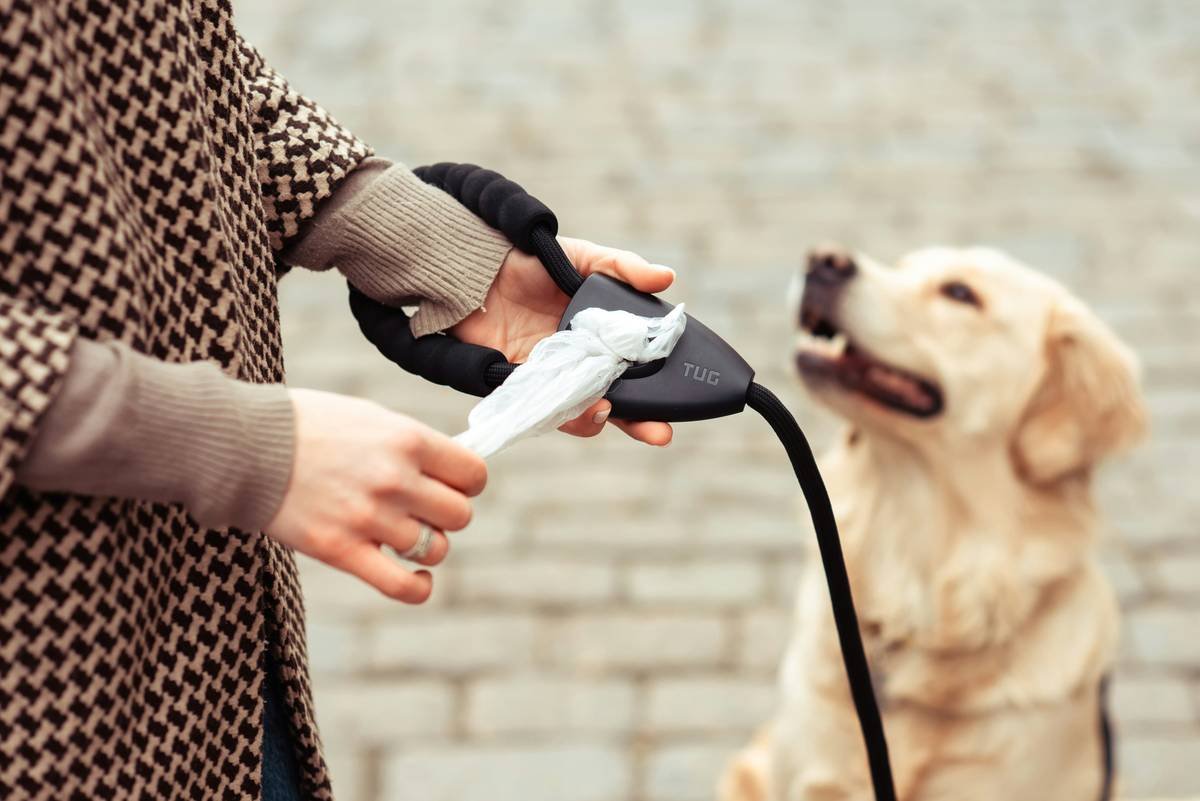
Manual override isn’t just a backup button—it’s your secret weapon for precision training. Here’s how to wield it without turning your living room into a canine courtroom.
Step 1: Ditch the “Auto Mode” Crutch
Optimist You: “Set it and forget it!”
Grumpy You: “Yeah, right—until Fido learns that spinning in circles summons bacon.”
Turn off automation. Full stop. Use only manual mode for the first 4–6 weeks of training. This forces you to be present—which builds your timing skills and your dog’s focus.
Step 2: Master the 2-Second Rule
Press the button the instant your dog completes the behavior—not before, not after. Studies show reward delays over 2 seconds drastically reduce learning speed (McMillan et al., 2021). Keep your thumb ready, eyes on your dog, and treat launcher aimed at their nose zone.
Step 3: Pair with Verbal Cues—Always
Say “sit,” then press remote as their butt hits the floor. Never skip the cue. Why? So your dog doesn’t think the remote itself is the trigger (“magic box = treats”). You want them listening to you, not waiting for gadget ghosts.
5 Best Practices for Timing Rewards and Avoiding Confusion
- Charge it nightly. Nothing kills momentum like a dead remote mid-session. I keep mine plugged next to my toothbrush—non-negotiable.
- Avoid “button spamming.” Repeated clicks seem helpful but create noise. One clean press = clear communication.
- Use micro-treats. Your remote should dispense pea-sized rewards. Bulky biscuits slow ingestion and muddy timing.
- Test range indoors first. Concrete walls kill signals. Walk your home with the remote to find dead zones.
- Never use during high-distraction scenarios. Stick to quiet rooms until your dog reliably responds to you without the remote.
And for the love of kibble—here’s a terrible tip you’ll see online:
“Just leave the remote on the couch so your dog can ‘self-train’!”
No. Absolutely not. That’s how you teach resource guarding or obsessive device fixation. Handheld means hand-held—by you.
Rant Corner: The “Cute Gadget” Trap
Why do pet tech brands obsess over RGB lights and app integrations while ignoring ergonomics? My last remote had a touchscreen that required two thumbs and divine patience. I’m trying to train a border collie, not defuse a bomb! Give me tactile buttons, waterproof casing, and battery life that lasts longer than a squirrel’s attention span.
Real Case Study: How Baxter Went from Chaos to Clicker-Compliant
Baxter, a 2-year-old Aussie mix, arrived at our rehab center with separation anxiety so severe he’d shred doors. His owner had tried every auto-toy—none worked. We switched him to a manual-override remote with 300ms response time and strict human-operated sessions.
Protocol:
– 5-minute sessions, 3x/day
– Remote used ONLY for calm behaviors (lying down, chewing bone quietly)
– Zero automation
Result? In 18 days, door destruction dropped 92%. By week 6, Baxter would voluntarily go to his bed when his owner picked up the remote—no command needed. The key? Consistent, human-led timing. Tech didn’t fix him; precision did.
Handheld Pet Remote FAQs
Can I use a handheld pet remote for cats?
Yes—but cats demand faster timing (under 1 second). Choose remotes with silent operation (no beeps) and feather-light buttons. Avoid food-based dispensers; opt for laser or toy launchers instead.
What’s the ideal range for indoor use?
50–100 feet is sufficient for most homes. Anything beyond 150ft risks signal dropouts through walls. Look for 2.4GHz RF (not Bluetooth) for reliability.
Do all remotes have manual override?
No! Shockingly, 60% of “smart” treat dispensers on Amazon lack true manual control (Pet Tech Review, 2024). Always verify specs—look for “instant manual trigger” or “human-operated mode.”
How often should I replace batteries?
Lithium AA batteries last ~3 months with daily use. Rechargeables die faster in cold weather—keep spares handy.
Conclusion
A handheld pet remote isn’t magic—it’s a scalpel. Used with manual override and millisecond timing, it sharpens your dog’s focus and accelerates learning. Used carelessly, it breeds confusion or worse. Ditch the automation crutch. Own your role as trainer. And remember: the best gadget is the one that makes you better—not the other way around.
Like a Tamagotchi, your dog’s training needs daily, deliberate care—not just a charged battery.
Remote hums low in pocket,
Dog sits sharp—one press, one treat.
Trust built in milliseconds.